 Ana Cunningham
Imagine this: a deadly virus is spreading across the United States. No one knows where it’s from or how you get infected, and modern technology, including the recent invention of the internet, hasn’t been able to explain it. Most puzzling, the virus seems to be targeting and killing otherwise perfectly healthy young men.
Many people reading this were probably not alive when the HIV (human immunodeficiency virus) and AIDS (acquired immunodeficiency syndrome) epidemic was at its peak, but for those who remember it, it’s hard to describe the panic, stigma, and uncertainty that permeated our culture in the 1980s and ‘90s. The Reagan Administration was slow to act, and all the Center for Disease Control and Prevention (CDC) could see was that people with AIDS died with virtually no remaining immune system. A positive diagnosis was a death sentence.
A pervasive misconception at the time was that AIDS was a disease of homosexuality because it was initially found in gay men more than any other demographic. However, any contact with certain infectious bodily fluids can cause an unprotected person to contract AIDS; these include blood, semen, and breast milk but not sweat, tears, or saliva, and they don’t have to be transmitted through sex. In one notable case, 13-year-old Ryan White was infected through a blood transfusion that included plasma from an HIV-positive donor. He received the transfusion only a few months before the first HIV blood tests became available in 1985. Ryan was ostracized and banned from attending school, as parents feared he would infect other students. He died shortly after his 18th birthday, just six years before an effective treatment was developed.
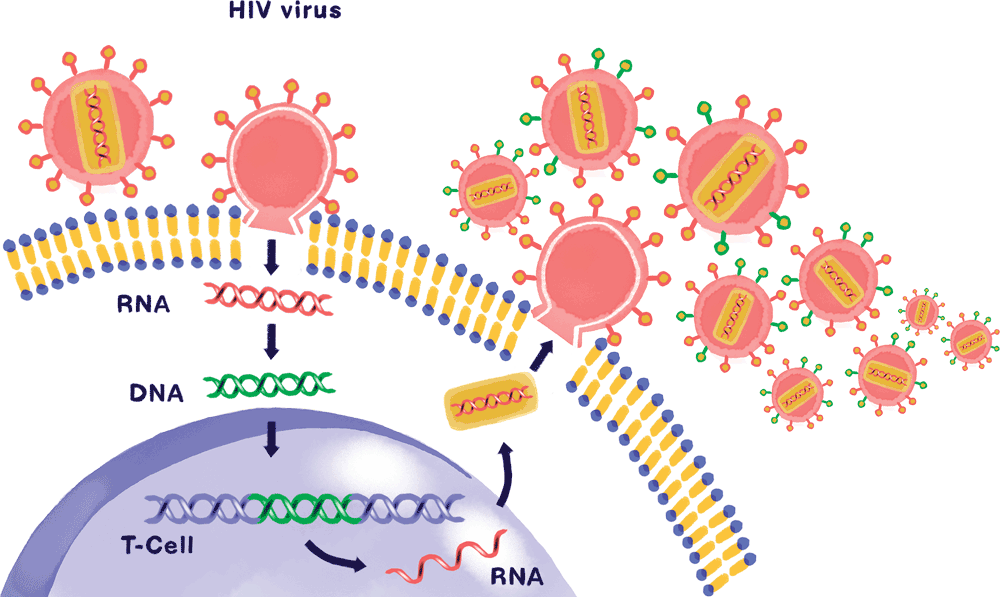
Since then, billions of dollars and decades of research have been poured into finding the cause of—and hopefully the cure for— AIDS. What we know so far is that the disease is caused by HIV, a retrovirus that mainly infects CD4+ T cells, which form an important part of the adaptive immune system responsible for fighting infections from bacteria and other viruses. When HIV infects your cells, it inserts its genes into your DNA, so that your cells make viral DNA along with your own DNA and start producing new copies of the virus. This eventually kills the cell, leaving your immune system defenseless. Eventually, infected people die from opportunistic infections that they otherwise would have easily fought off.
Once scientists identified HIV as the causative agent in AIDS, they quickly developed antiretroviral therapies (ART) that stop the virus from replicating inside your cells. We have continued to develop increasingly efficient ways of treating HIV, and the past decade has even brought the advent of pre-exposure prophylaxis (PrEP), a preventative medication that protects uninfected people from contracting HIV.
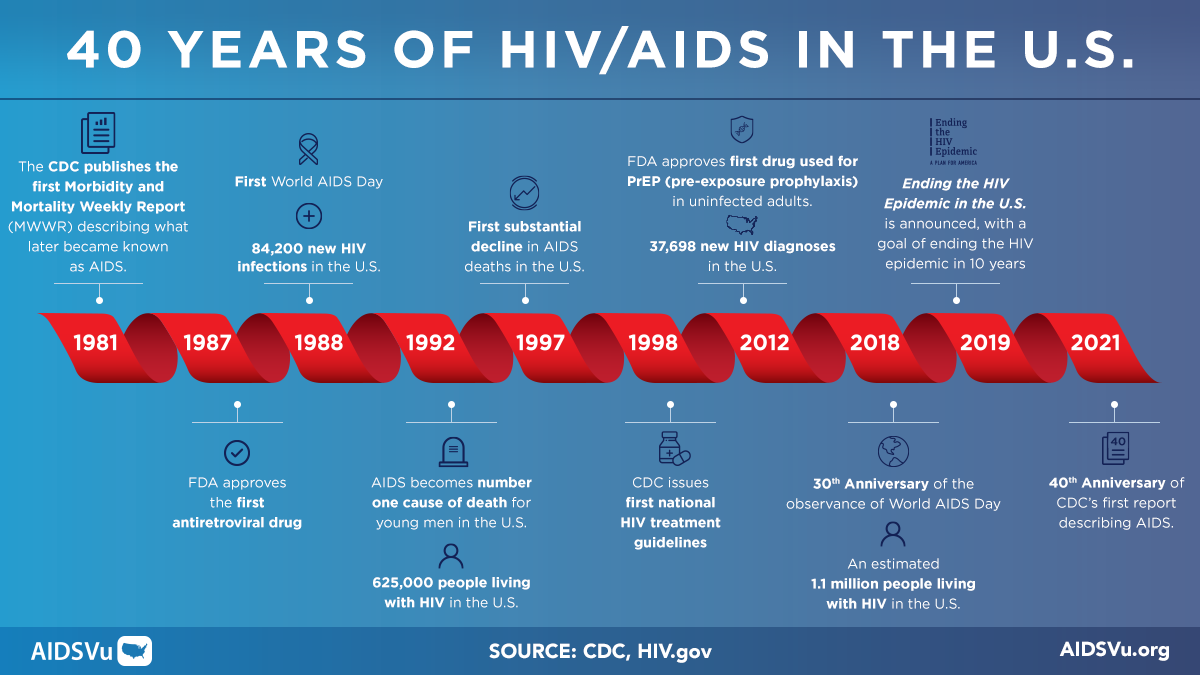
Today, a person with HIV can live a long, relatively normal life as long as they take their medications, but we still do not have a cure: if they ever stop taking ART, the virus quickly becomes active again and starts killing their CD4+ T cells. Therefore, the current focus of many labs (including my lab!) in this field is to find a way not only to suppress the virus but to completely eliminate it from cells. Every day we come closer to better understanding how HIV works, closer to developing a cure, and closer to honoring the countless lives like Ryan White’s that have been stigmatized and lost to this disease.
Peer Edited by: Luvna Dhawka