 WinSPIRE: Science in the News
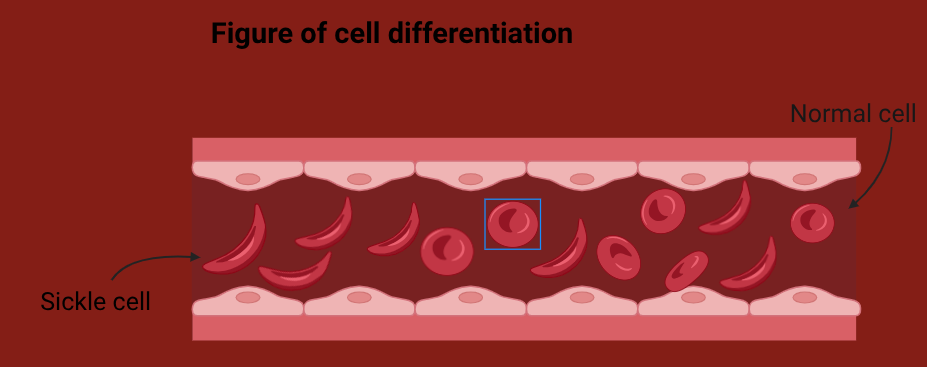
In 1985, an infant was admitted into a hospital at only 3 months old for sudden, unbearable pain that left her weeping uncontrollably. Victoria Gray was soon diagnosed with Sickle Cell Disease (SCD) and would eventually become the first person ever to be cured of SCD with gene-editing technology. SCD is a common, inherited blood disorder, affecting an estimated 100,000 Americans. The disorder causes red blood cells to become deformed into a rigid, crescent (“sickle”) shape instead of their normal flexible, disc-like form, restricting blood flow and oxygen delivery throughout the body. This leads to core symptoms, including hemolytic anemia (a shortage of healthy red blood cells caused by sickled cells breaking down far faster than the body can replace them), vaso-occlusive crises (episodes of severe pain when sickled cells block small blood vessels), and increased risk of infection due to spleen damage. SCD is a lifelong, debilitating disease that had no cure until recently. Now, emerging technology has made treatment possible for a growing number of patients, including Victoria Gray. Understanding how this treatment works starts with understanding how SCD develops in the first place.
How does a person develop Sickle Cell Disease?
When a disease or condition, such as SCD, runs in your family, it is known as an inherited disease, meaning it is passed down through genes. Genes are segments of DNA that are the blueprint for making proteins and assembling traits, features, and functions. Most genes come in pairs, with one copy inherited from your mother and the other copy inherited from your father. These versions of genes, called alleles, work together to affect how your body operates. For some traits and conditions, a single working copy of a gene is enough for regular function. However, in autosomal recessive inheritance, both alleles must have a mutation for a condition to occur. If a person has only one mutated allele, they are usually a carrier and typically do not show symptoms because the other allele can still provide the necessary function.

How was SCD treated before CRISPR?
Sickle cell disease has existed in Africa for at least 5,000 years, long recognized under various local tribal names. SCD has also been found in other regions, such as Central and South America, The Mediterranean, the Middle East, and South Asia. Yet the first widely documented medical account of the disease didn’t emerge until 1910 in Chicago, when Walter Clement Noel, a young dental student from Grenada, sought out Dr. James B. Herrick with complaints of persistent pain and ongoing anemia. Herrick, initially uninterested in the case, handed it off to the resident, Dr. Ernest Irons. It was Irons who examined Noel’s blood under a microscope and noticed that the red blood cells were oddly shaped. Herrick published these findings in a prominent medical journal where he first used the term “sickle-shaped cells.” Due to the genetic complexity of SCD and limited resources available for research, the possibility of a cure remained uncertain for many years. However, in 1983 a breakthrough provided a promising clue toward developing effective treatments.
SCD was first cured in Kimberlin Wilson-George. Kimberlin was battling acute myeloid leukemia, for which she underwent a bone marrow transplant. Not only was the procedure successful; it also cured her sickle cell disease. This approach was used to treat SCD by relying on a healthy donor’s hematopoietic cells (blood stem cells) to generate normal red blood cells. Over time, however, the procedure grew costly due to personalized accommodations to patients and the increased demand for donors.
The development of CRISPR to treat SCD
Because SCD is a genetic disorder, researchers were able to develop an alternative cure by implementing gene-editing technology. This gene-editing tool, known as Clustered Regularly Interspaced Short Palindromic Repeats (CRISPR), has been such a revolutionary technology that it earned its developers, Jennifer Doudna and Emmanuelle Charpentier, the Nobel Prize in Chemistry in 2020.
Since CRISPR’s invention, researchers from the Children’s Hospital of Philadelphia and the University of Pennsylvania have adapted the tool to edit blood stem cells. They published their findings in the journal “Science” under the title: “ In vivo hematopoietic stem cell modification by mRNA delivery” and promised a new and safer way of correcting genetic defects in hematopoietic cells and curing blood disorders. The research team used lipid nanoparticles (LNPs) to carry mRNA, which is a single-stranded molecule that carries genetic instructions from DNA to the cell, into cells. The team confirmed that gene editing was possible by testing LNP-delivered mRNA in mice. This approach was then applied to cells from SCD patients, resulting in boosted hemoglobin levels and a near-complete absence of sickled red blood cells. In 2019, at the age of 34 years old, Victoria Gray became the first person to be successfully cured of SCD using this method.
Since Victoria Gray underwent treatment with CRISPR, gene therapy has continued to see exponential growth and promising results in curing SCD patients. Recent studies and clinical trials have further advanced gene editing for SCD. For example, the RUBY trial tested a CRISPR-based gene editing approach to determine whether editing a patient’s blood stem cells could safely prevent painful sickle cell crises and other complications. Results showed that 27 out of 28 treated patients experienced no painful crises after treatment. Although these results are promising, gene editing treatment for SCD can be costly due to the extensive research and personalization it requires. Lyfgenia is one such example, which costs around $3.1 million. To address this issue, researchers are exploring ways to make this technology more affordable and accessible.
Victoria Gray stands as a landmark case in gene therapy research. The treatment she received has expanded the field of gene therapy. Scientists and medical professionals continue to develop similar treatments through clinical trials and work toward safe, affordable, and effective ways to cure as many people with SCD as possible.
Written by: Miranda Duke and A’son Hamilton
Edited by: Katie Holmes, Hazel Milla, and Lauren Griffith
